
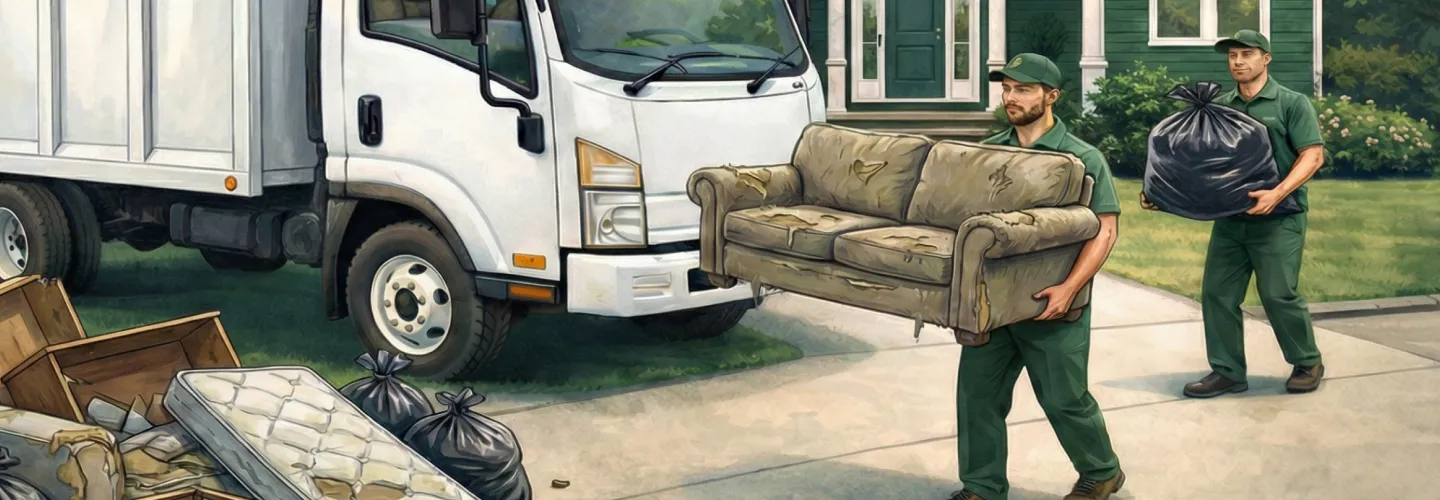
Cumming Hospitality Junk Removal Services
Choose our Hospitality Junk Removal for prompt, professional service that keeps your business spotless and running smoothly—so you can focus on your guests while we handle the mess.
Get a Free QuoteOur Cumming Junk Removal Services
Hospitality Junk Removal in Cumming, GA – Local Service Guide
Hospitality junk removal in Cumming, GA, requires a tailored approach for homes, businesses, and specialty projects. In neighborhoods like Windermere and Chattahoochee River Club, residents often need removal of furniture, mattresses, or appliances during spring cleanouts, post-storm yard debris, or after major life events. Local disposal options include donation, recycling, or responsible landfill use, with logistics shaped by driveway access, weather, and item size. For residential spaces such as garages, basements, and yards, seasonal cleanouts are common—especially after heavy rains or during fall leaf cycles. Commercial clients in areas like Market Place Boulevard and downtown Cumming face unique needs, from discreet restaurant or hotel cleanouts to large-scale office or retail clearouts, often requiring after-hours service and careful coordination. Specialty services—like dumpster rentals, estate or foreclosure cleanouts, and construction debris removal—demand advance planning and compliance with local property guidelines. For details on local disposal rules and permits, visit the Cumming Streets Department.
Key Considerations for Hospitality Junk Removal in Cumming
- Timing around seasonal events, storms, and property transitions
- Permit requirements for large-scale or specialty removals
- Approved disposal and recycling channels
- Access challenges in gated communities or flood-prone areas
- Volume and category-specific handling (e.g., appliances, yard waste)
- Coordination with property managers or city schedules
Benefits of Hospitality Junk Removal in Cumming

Fast Turnaround Times
Discreet and Professional Service
Flexible Scheduling Options
Eco-Friendly Disposal Solutions
Licensed and Insured Team
Comprehensive Cleanout Services
Coordinating Hospitality Junk Removal with Cumming's Streets Department and Yard Debris Collection
Hospitality properties in Cumming undergoing renovations, closures, or seasonal cleanouts must coordinate waste removal through proper municipal channels. The Cumming Streets Department oversees right-of-way maintenance and yard debris collection, which directly affects how hospitality venues stage materials for removal. Hotels, restaurants, and event venues generating bulk waste should be aware of the following requirements:
- Yard debris collection is managed by the Streets Department; hospitality properties with landscaping waste must separate organic materials from general junk
- Right-of-way clearance is required when removal trucks park on city streets during loading operations
- Staging areas must not obstruct sidewalks, fire hydrants, or public roadways per municipal code
- Commercial haulers serving hospitality clients should verify licensing requirements with the city before operating within Cumming's jurisdiction
Properties planning large-scale cleanouts should contact the department in advance to confirm scheduling and access logistics.
Cumming Streets Department
100 Main Street, Cumming, GA 30040
Phone: (770) 781-2020
Official Website: Cumming Streets Department
Cumming Permit and Zoning Requirements for Hospitality Property Cleanouts
Hospitality junk removal projects in Cumming frequently involve interior demolition debris, outdated fixtures, and commercial-grade equipment that may require permits before removal begins. The Cumming Planning & Zoning department administers building permits, code enforcement, and development review for commercial properties. Key compliance considerations include:
- Building permits may be required when junk removal involves structural modifications, such as removing built-in cabinetry, countertops, or wall-mounted fixtures in hotel rooms or restaurant kitchens
- Code enforcement inspections may be triggered if accumulated waste creates health or safety violations on hospitality properties
- Zoning regulations govern where commercial waste can be temporarily staged on hospitality property grounds
- Pre-1978 buildings require assessment for lead paint and asbestos before demolition or fixture removal, in accordance with the EPA Renovation, Repair, and Painting Rule
Hospitality property managers should submit permit applications well in advance of scheduled cleanout dates to avoid project delays.
Cumming Planning & Zoning Department
100 Main Street, Cumming, GA 30040
Phone: (770) 781-2020
Official Website: Cumming Planning & Zoning
Georgia Environmental Protection Division Regulations Governing Hospitality Waste Disposal
Hospitality junk removal in Cumming must comply with state-level solid waste management regulations administered by the Georgia Environmental Protection Division (GA EPD). Georgia's Solid Waste Management Act (O.C.G.A. § 12-8-20 et seq.) establishes the framework for proper disposal of commercial waste generated by hotels, restaurants, conference centers, and similar establishments. Important state-level requirements include:
- Solid waste hauler permits are required for any company transporting commercial waste in Georgia; verify that removal contractors hold valid permits through GA EPD
- Hazardous waste separation is mandatory — hospitality properties commonly generate cleaning chemicals, fluorescent lamps, and refrigerants that cannot enter the municipal solid waste stream
- Appliance refrigerant recovery is required under EPA Section 608 regulations before disposing of commercial refrigerators, ice machines, or HVAC units
- Landfill disposal restrictions apply to electronics, batteries, and mercury-containing devices commonly found in hospitality settings
- Waste manifests may be required for large commercial cleanout projects to document proper chain of custody
Georgia Environmental Protection Division
2 Martin Luther King Jr. Drive SE, Suite 1456, Atlanta, GA 30334
Phone: (404) 656-4713
Official Website: Georgia Environmental Protection Division
Forsyth County Health and Safety Standards for Hospitality Material Handling
Hospitality junk removal in Cumming often involves materials subject to environmental health oversight, particularly when clearing restaurant kitchens, hotel bathrooms, or properties with pest infestations or water damage. The Forsyth County Environmental Health department provides guidance on public health protection and environmental compliance. Removal crews and property managers should observe the following standards:
- Food service equipment from restaurants and hotel kitchens may contain grease, biological residue, or mold requiring proper cleaning before transport
- Mattresses and upholstered furniture from hotel rooms should be inspected for bedbugs or biological contamination; infested items require sealed containment during removal
- Water-damaged materials including drywall, carpet, and ceiling tiles may harbor mold and should be handled with appropriate personal protective equipment per OSHA guidelines
- Biohazard materials such as needles or bodily fluids occasionally encountered in hospitality settings require specialized disposal through licensed medical waste contractors
- Fire-damaged items from hospitality properties may contain toxic residues and should be assessed before removal
Workers handling contaminated hospitality materials should use N95 respirators, puncture-resistant gloves, and protective coveralls as minimum safety precautions.
Forsyth County Environmental Health
1110 East Maple Street, Cumming, GA 30040
Phone: (770) 781-6603
Official Website: Forsyth County Environmental Health
Recycling and Donation Opportunities for Hospitality Furniture and Equipment in Cumming
Hospitality properties in Cumming undergoing renovation or closure generate significant volumes of reusable furniture, fixtures, and equipment (FF&E) that can be diverted from landfills through recycling and donation programs. Georgia encourages waste diversion, and Forsyth County supports recycling initiatives through its Planning & Community Development department. Hospitality operators should consider the following diversion strategies:
- Hotel furniture including beds, dressers, desks, and chairs in serviceable condition may be donated to local charitable organizations such as Habitat for Humanity ReStore or Goodwill
- Commercial kitchen equipment including stainless steel prep tables, shelving, and sinks has scrap metal value and should be directed to licensed metal recyclers
- Electronics such as televisions, computers, and point-of-sale systems must not be disposed of in regular waste; Georgia encourages e-waste recycling through certified processors
- Linens, towels, and curtains in usable condition can be donated to animal shelters or textile recycling programs
- Refrigerant-containing appliances require certified technician recovery before recycling or disposal
Documenting donations provides hospitality businesses with potential tax deduction records while supporting Forsyth County's landfill diversion goals.
What Neighborhoods Do We Serve Throughout Cumming, GA?
- Downtown Cumming: The historic city center features older commercial buildings housing restaurants, inns, and event spaces. Narrow streetscapes and on-street parking may require advance coordination with the Streets Department for removal truck staging during hospitality cleanouts.
- Cumming City Center / Town Center Area: Mixed-use developments with hotels and restaurants generate frequent FF&E turnover. Loading dock access and service elevator availability should be confirmed with property management before scheduling removal.
- Vickery Village: This planned community includes retail and dining establishments with shared parking areas. Hospitality junk removal crews must coordinate staging times to avoid peak business hours and maintain pedestrian access.
- The Collection at Forsyth: A major commercial district with hotels and restaurants requiring periodic equipment and furniture replacement. Access logistics involve navigating high-traffic corridors and coordinating with property management for designated loading zones.
- Lakeland Plaza / GA-400 Corridor: Hotels and conference facilities along the GA-400 corridor generate large-volume cleanouts during seasonal renovations. Wide commercial driveways generally accommodate standard removal vehicles without access restrictions.
- Castleberry Hills / Sharon Springs Area: Suburban neighborhoods with bed-and-breakfast establishments and small hospitality venues in residential settings. Removal operations should observe residential noise ordinances and avoid blocking neighborhood streets during loading.