
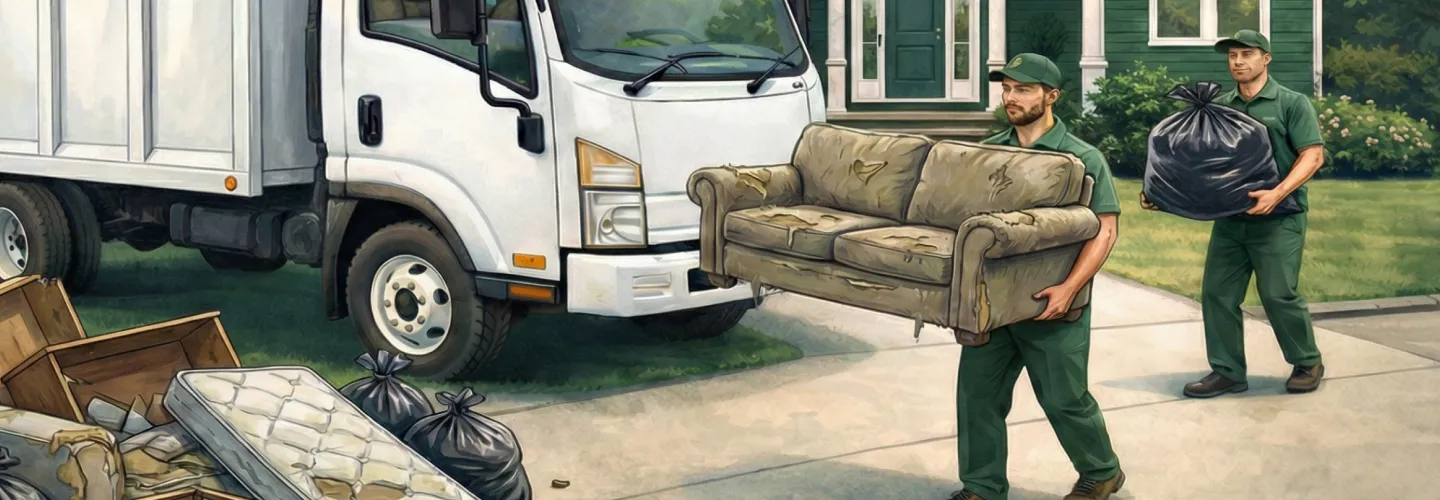
Cumming Restaurants Junk Removal Services
Choose our Restaurants Junk Removal for prompt, discreet, and eco-friendly disposal—keeping your kitchen and dining areas spotless so you can focus on serving your customers.
Get a Free QuoteOur Cumming Junk Removal Services
Restaurants Junk Removal in Cumming, GA – Local Service Guide
Restaurants in Cumming, GA, face unique junk removal needs, from routine kitchen upgrades to post-renovation cleanouts. In busy areas like Market Place Boulevard and the Lanier Crossing shopping district, timely removal of old equipment, furniture, and packaging is crucial to maintain smooth operations and compliance with local health codes. Many restaurants schedule junk removal during off-hours to minimize disruption, especially in high-traffic zones. Local providers are familiar with Cumming’s seasonal patterns—spring and fall often see increased activity due to patio upgrades or deep cleaning. Coordination with property managers in mixed-use developments, such as those near Buford Dam Road, ensures access and adherence to property guidelines. For large volumes or specialty items, advanced planning is recommended to secure proper disposal or recycling channels. Always check local regulations and resources, such as Cumming Planning & Zoning, for guidance on permits and compliance.
Benefits of Restaurants Junk Removal in Cumming
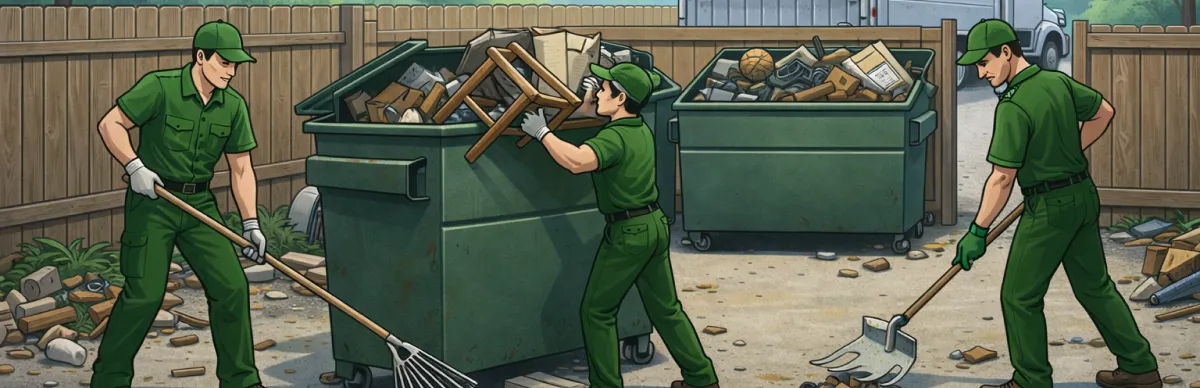
Fast and Reliable Service
Eco-Friendly Disposal Solutions
Flexible Scheduling Options
Licensed and Insured Team
Competitive Pricing
Comprehensive Junk Removal
Coordinating Restaurant Equipment Disposal with Cumming's Streets Department and Waste Programs
Restaurant junk removal in Cumming, GA, requires careful coordination with municipal services to ensure proper disposal of commercial kitchen equipment, furniture, and related materials. The Cumming Streets Department oversees yard debris collection and right-of-way maintenance, and restaurant owners should confirm that bulky commercial items such as booths, counters, and shelving are handled through licensed commercial haulers rather than residential collection programs. Key considerations for restaurant cleanouts include:
- Commercial classification: Restaurant waste is categorized as commercial solid waste, requiring disposal through permitted haulers rather than municipal residential pickup
- Right-of-way clearance: Items staged for removal must not obstruct sidewalks, fire lanes, or public roadways without prior authorization
- Scheduling: Coordinate removal during off-peak hours to minimize disruption to neighboring businesses and pedestrian traffic
- Volume planning: Large-scale restaurant closures or renovations may generate several tons of mixed materials requiring multiple removal trips
Cumming Streets Department
100 Main Street, Cumming, GA 30040
Phone: (770) 781-2020
Official Website: Cumming Streets Department
Forsyth County Health Department Requirements for Restaurant Waste and Grease Disposal
Restaurants in Cumming generate waste streams that fall under environmental health oversight, particularly used cooking oil, grease trap waste, and food-contaminated materials. The Forsyth County Environmental Health department conducts food service inspections and enforces public health standards that directly affect how restaurant junk is handled during cleanouts and closures. Improper disposal of grease or food waste can result in code violations and environmental contamination. Restaurant owners and junk removal operators must observe the following:
- Grease trap waste must be collected by a licensed grease hauler and cannot be disposed of in standard solid waste streams or storm drains
- Used cooking oil should be collected separately for recycling; numerous rendering companies serve the Forsyth County area
- Food-contaminated materials such as saturated cardboard, floor mats, and absorbent pads require proper bagging and containment before transport
- Pest control documentation should be current before and after major cleanout projects to prevent infestation spread to adjacent properties
Forsyth County Environmental Health
545 Dahlonega Street, Suite 100, Cumming, GA 30040
Phone: (770) 781-6932
Official Website: Forsyth County Environmental Health
Georgia Environmental Protection Division Regulations Governing Commercial Restaurant Waste
The Georgia Environmental Protection Division (GA EPD) administers the Georgia Comprehensive Solid Waste Management Act, which establishes statewide requirements for the handling, transport, and disposal of commercial solid waste, including materials generated by restaurant cleanouts. Restaurant junk removal operators working in Cumming must comply with state-level regulations that govern waste hauler permitting, landfill acceptance criteria, and hazardous material restrictions. Important state requirements include:
- Solid waste hauler permits: Companies transporting commercial waste must hold valid permits issued under Georgia's solid waste regulations
- Hazardous waste prohibition: Cleaning chemicals, refrigerants, fluorescent lighting, and mercury-containing thermostats removed from restaurant equipment must be handled as hazardous waste per Resource Conservation and Recovery Act (RCRA) standards
- Refrigerant recovery: Walk-in coolers, reach-in refrigerators, and ice machines contain refrigerants regulated under EPA Section 608, requiring certified technician recovery before disposal
- Landfill restrictions: Electronics such as POS systems and monitors should be directed to e-waste recycling facilities rather than landfills
Georgia Environmental Protection Division
2 Martin Luther King Jr. Drive SE, Suite 1456, Atlanta, GA 30334
Phone: (404) 656-4713
Official Website: Georgia Environmental Protection Division
Cumming Permit and Zoning Compliance for Restaurant Renovation and Demolition Debris
Restaurant junk removal projects in Cumming frequently coincide with lease turnovers, renovations, or permanent closures that may require permits from the city's planning department. The Cumming Planning & Zoning office administers building permits, code enforcement, and development review processes that apply when restaurant interiors are demolished or substantially modified. Before initiating a major restaurant cleanout, operators should verify the following:
- Building permits are required when removal involves structural modifications such as tearing out built-in kitchen hoods, walk-in cooler framing, or partition walls
- Code enforcement coordination ensures that debris staging areas, temporary storage, and removal vehicles comply with local zoning ordinances
- Asbestos surveys may be necessary in older Cumming commercial buildings constructed before 1980, particularly for floor tiles, pipe insulation, and ceiling materials
- Fire code compliance must be maintained throughout the removal process; the Forsyth County Fire Department requires that egress paths, fire suppression systems, and sprinkler heads remain unobstructed during cleanout operations
Cumming Planning & Zoning
100 Main Street, Cumming, GA 30040
Phone: (770) 781-2020
Official Website: Cumming Planning & Zoning
Recycling and Material Recovery Options for Restaurant Equipment in Cumming
Restaurant cleanouts generate significant volumes of recyclable and reusable materials, including stainless steel prep tables, commercial ovens, refrigeration units, and dining furniture. Diverting these materials from landfills supports environmental stewardship and may reduce overall disposal costs. Cumming-area restaurant operators and junk removal providers should consider the following recovery pathways:
- Scrap metal recovery: Stainless steel, aluminum, and copper from kitchen equipment, ductwork, and plumbing fixtures hold substantial recycling value and should be separated from general waste
- Used restaurant equipment resale: Functional commercial appliances, smallwares, and furniture may be sold through restaurant supply dealers or donated to nonprofit organizations
- Electronics recycling: POS terminals, computer systems, security cameras, and digital signage should be directed to certified e-waste recyclers rather than disposed of in landfills
- Cooking oil recycling: Residual fryer oil and grease should be collected by licensed rendering services for conversion into biodiesel or animal feed products
- Construction material separation: During renovation-related removals, wood, drywall, and concrete should be sorted for appropriate recycling or disposal channels per Forsyth County Planning & Community Development guidelines
What Neighborhoods Do We Serve Throughout Cumming, GA?
- Downtown Cumming: The historic commercial core features older restaurant buildings along Main Street and the town square area. Narrow storefronts, limited rear access, and on-street parking constraints require careful staging and coordination with city right-of-way requirements for equipment removal.
- Cumming City Center / GA-400 Corridor: This high-traffic commercial corridor contains numerous strip-center and standalone restaurants. Loading dock access varies by property; coordination with property management and adjacent tenants is essential during large-scale cleanouts.
- Lakeland Plaza Area: Shopping center restaurants in this district typically share parking lots and common areas. Removal scheduling during early morning or late evening hours minimizes disruption to neighboring retail businesses and customer traffic.
- Pilgrim Mill Road Corridor: Growing restaurant development along this corridor includes both freestanding buildings and multi-tenant commercial spaces. Newer construction generally provides adequate truck access and staging areas for equipment removal.
- Market Place and Peachtree Parkway: Commercial developments near the Forsyth County border feature national chain and independent restaurants with varying building configurations. HOA-style commercial covenants may govern debris staging, removal hours, and vehicle parking during cleanout projects.
- Castleberry Road / South Cumming: A mix of established and emerging restaurant locations with varying building ages. Older structures may require asbestos assessment before interior demolition, and access roads may have weight or width limitations for large removal vehicles.