
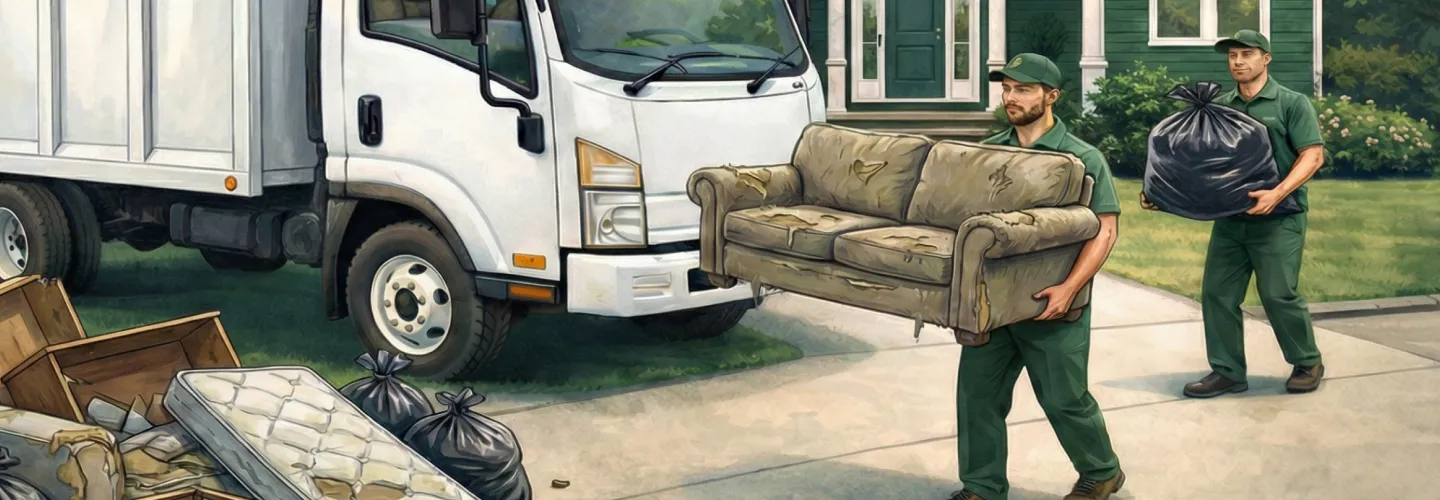
Cumming Appliance Removal Services
Choose us for hassle-free appliance removal—our experienced team ensures safe, eco-friendly disposal and same-day service, making it easy to reclaim your space without lifting a finger.
Get a Free QuoteOur Cumming Junk Removal Services
Appliance Removal in Cumming, GA – Local Service Guide
Appliance removal in Cumming, GA is a common need for homeowners and businesses, especially during seasonal upgrades, home renovations, or when replacing outdated units. In neighborhoods like Windermere and Chattahoochee River Club, residents often schedule appliance removal during spring cleanouts or after major life events such as moving or estate transitions. Local disposal options include donation, recycling, or responsible landfill drop-off, with logistics shaped by driveway access, appliance size, and weather—especially during rainy summers. For residential spaces like garages and basements, flooding-prone areas near Lake Lanier may require more frequent cleanouts, while yard debris cycles can coincide with appliance pickups. Commercial clients in downtown Cumming or along Market Place Boulevard often need discreet, after-hours removal to minimize business disruption, with volume and timing tailored to industry needs. Specialty projects, such as estate cleanouts or construction debris removal, require careful planning and coordination, particularly for larger properties or multi-unit complexes.
Key Considerations for Appliance Removal in Cumming
- Schedule around local cleanout seasons and weather patterns
- Check if permits or special disposal rules apply (Cumming Planning & Zoning)
- Choose the right disposal channel: donate, recycle, or landfill
- Ensure easy access for removal teams, especially in gated communities
- Estimate appliance volume for proper equipment and staffing
- Coordinate with property managers or HOAs for multi-family or commercial sites
Benefits of Appliance Removal in Cumming
Fast and Reliable Service
Eco-Friendly Disposal
Licensed and Insured Team
Upfront Transparent Pricing
Convenient Scheduling Options
Safe Appliance Handling
Coordinating Appliance Removal with Cumming's Streets Department and Yard Debris Collection Program
Cumming residents seeking to dispose of old or broken household appliances should first coordinate with the city's municipal services infrastructure. The Cumming Streets Department oversees right-of-way maintenance and yard debris collection, and residents should confirm whether bulky appliance items qualify for curbside collection or require alternative disposal arrangements. Key considerations for appliance removal in Cumming include:
- Scheduling: Contact the Streets Department in advance to confirm pickup eligibility and scheduling windows for large appliances such as refrigerators, washers, dryers, and dishwashers
- Curbside placement: Appliances must be placed at the curb without blocking sidewalks, mailboxes, or fire hydrants
- Prohibited curbside items: Appliances containing hazardous refrigerants (refrigerators, freezers, air conditioners) typically require specialized handling before curbside disposal
- Separation requirements: Doors on refrigerators and freezers should be removed or secured shut prior to placement to prevent child entrapment hazards
Residents in unincorporated areas of Forsyth County should contact county services separately, as municipal collection boundaries may differ from county jurisdiction lines.
Cumming Streets Department
100 Main Street, Cumming, GA 30040
Phone: (770) 781-2020
Official Website: Cumming Streets Department
Georgia Environmental Protection Division Requirements for Appliance Disposal Compliance
Georgia state law governs the proper disposal of household appliances through regulations administered by the Georgia Environmental Protection Division (GA EPD). The Georgia Comprehensive Solid Waste Management Act (O.C.G.A. § 12-8-20 et seq.) establishes the framework for solid waste handling, including appliance-specific requirements that Cumming residents and haulers must follow. Critical state-level compliance obligations include:
- Refrigerant recovery: All appliances containing chlorofluorocarbons (CFCs) or hydrochlorofluorocarbons (HCFCs)—including refrigerators, freezers, window air conditioning units, and dehumidifiers—must have refrigerants recovered by an EPA Section 608-certified technician before disposal
- Mercury-containing components: Older appliances with mercury switches (such as chest freezers and pre-2006 washing machines) require mercury removal prior to scrap processing
- Landfill restrictions: Whole appliances containing refrigerants or hazardous components may not be accepted at permitted solid waste landfills without documentation of proper decommissioning
- Scrap metal classification: Decommissioned appliances classified as scrap metal must be directed to licensed scrap processors rather than municipal solid waste landfills
Violations of refrigerant venting prohibitions carry federal penalties under the Clean Air Act, with fines reaching $44,539 per day per violation.
Georgia Environmental Protection Division
2 Martin Luther King Jr. Drive SE, Suite 1456, Atlanta, GA 30334
Phone: (404) 656-4713
Official Website: Georgia Environmental Protection Division
Cumming Code Enforcement and Permit Considerations for Appliance Removal Projects
When appliance removal is part of a larger renovation, kitchen remodel, or property cleanout in Cumming, residents and contractors may need to coordinate with the city's planning and code enforcement division. Cumming Planning & Zoning administers building permits, development review, and code enforcement that may affect appliance removal logistics. Important regulatory considerations include:
- Building permits: Kitchen or laundry room renovations that involve disconnecting gas lines, plumbing, or electrical connections for appliance removal may require active building permits
- Gas appliance disconnection: Gas stoves, dryers, and water heaters must be properly disconnected by a licensed plumber or gas technician before removal; improper disconnection creates explosion and carbon monoxide hazards
- Code enforcement: Appliances stored outdoors on residential properties may constitute code violations under property maintenance ordinances; prompt removal is advised
- Commercial properties: Businesses replacing commercial kitchen equipment, HVAC units, or industrial appliances should verify zoning compliance and coordinate with Forsyth County Planning & Community Development for properties outside city limits
Contractors performing appliance removal in Cumming should maintain appropriate business licensing and general liability insurance as required by local ordinances.
Cumming Planning & Zoning
100 Main Street, Cumming, GA 30040
Phone: (770) 781-2020
Official Website: Cumming Planning & Zoning
Refrigerant Recovery and Hazardous Material Handling for Cumming Appliance Disposal
Proper handling of hazardous materials within household appliances is a critical safety and environmental compliance requirement for Cumming residents. Federal and state regulations impose strict protocols on the removal and disposal of appliances containing regulated substances. Residents and service providers should be aware of the following material-specific requirements:
- Refrigerant-containing appliances: Refrigerators, freezers, air conditioners, dehumidifiers, and heat pumps contain regulated refrigerants that must be recovered by EPA Section 608-certified technicians before the unit can be scrapped or landfilled
- Capacitors with PCBs: Older appliances manufactured before 1979 may contain polychlorinated biphenyls (PCBs) in capacitors, requiring disposal as hazardous waste under the Resource Conservation and Recovery Act (RCRA)
- Lead paint: Appliances manufactured before 1978 may have lead-based paint coatings; the EPA Renovation, Repair, and Painting Rule applies when disturbing painted surfaces in pre-1978 structures
- Batteries and electronics: Smart appliances with lithium-ion batteries or electronic control boards should have these components separated for proper e-waste recycling
- Used oil and fluids: Compressor oil from refrigeration units must be captured and recycled; it cannot be poured into storm drains or disposed of with regular waste
For questions about hazardous material disposal, residents may contact Forsyth County Environmental Health for guidance on local collection events and accepted materials.
Forsyth County Environmental Health
1092 Tribble Gap Road, Cumming, GA 30040
Phone: (770) 781-6932
Official Website: Forsyth County Environmental Health
Appliance Recycling and Scrap Metal Recovery Options Available in the Cumming Area
Recycling and material recovery represent the preferred disposal pathway for most household appliances removed in Cumming. Appliances are composed primarily of recyclable metals—steel, aluminum, and copper—making them valuable commodities in the scrap metal market. Cumming residents should consider the following recycling and reuse options before directing appliances to landfill disposal:
- Scrap metal processors: Licensed scrap yards in the Forsyth County area accept decommissioned appliances (with refrigerants already removed) and may offer payment based on current metal market prices
- Retailer take-back programs: Many appliance retailers offer haul-away of old units upon delivery of new purchases; confirm this service at the time of purchase
- Donation programs: Functional appliances in good working condition may be donated to local charitable organizations such as Habitat for Humanity ReStore locations in the greater north Georgia area
- Utility rebate programs: Georgia Power and local utility providers periodically offer rebate programs for recycling older, energy-inefficient refrigerators and freezers—these programs typically include free pickup and certified refrigerant recovery
- Component separation: Circuit boards, copper wiring, and electric motors can be separated and directed to specialized recyclers for higher recovery value
Diverting appliances from landfills supports Forsyth County's waste reduction goals and conserves landfill capacity for materials that cannot be recycled.
What Neighborhoods Do We Serve Throughout Cumming, GA?
- Downtown Cumming: The historic city center features a mix of older single-family homes and commercial properties along the town square. Narrow lot configurations and on-street parking limitations may require advance coordination for appliance removal truck access, particularly along Main Street and Elm Street corridors.
- The Collection at Forsyth: This master-planned community includes newer single-family homes with standard two-car garage access and wide residential streets. Homeowners association guidelines may require advance notification before placing appliances curbside or scheduling removal vehicles.
- Vickery Village: A mixed-use neighborhood with townhomes and retail spaces featuring shared driveways and limited staging areas. Appliance removal from upper-level townhome units may require stairwell navigation and coordination with property management.
- Castleberry Hills: Established residential subdivision with single-family homes on larger lots. Longer driveways and setbacks provide adequate staging space, though older homes may contain appliances with outdated refrigerants requiring certified recovery.
- Pilgrim Mill Estates: Located near Lake Lanier, this area features homes on sloped lots with varying driveway grades. Heavy appliance removal may require specialized equipment for steep or gravel driveways, and proximity to the lake watershed demands careful handling of refrigerants and compressor oils.
- Sharon Springs: A newer planned community with wide streets and accessible cul-de-sacs well suited for removal vehicles. HOA covenants typically restrict outdoor appliance storage, making timely removal essential for code compliance.