
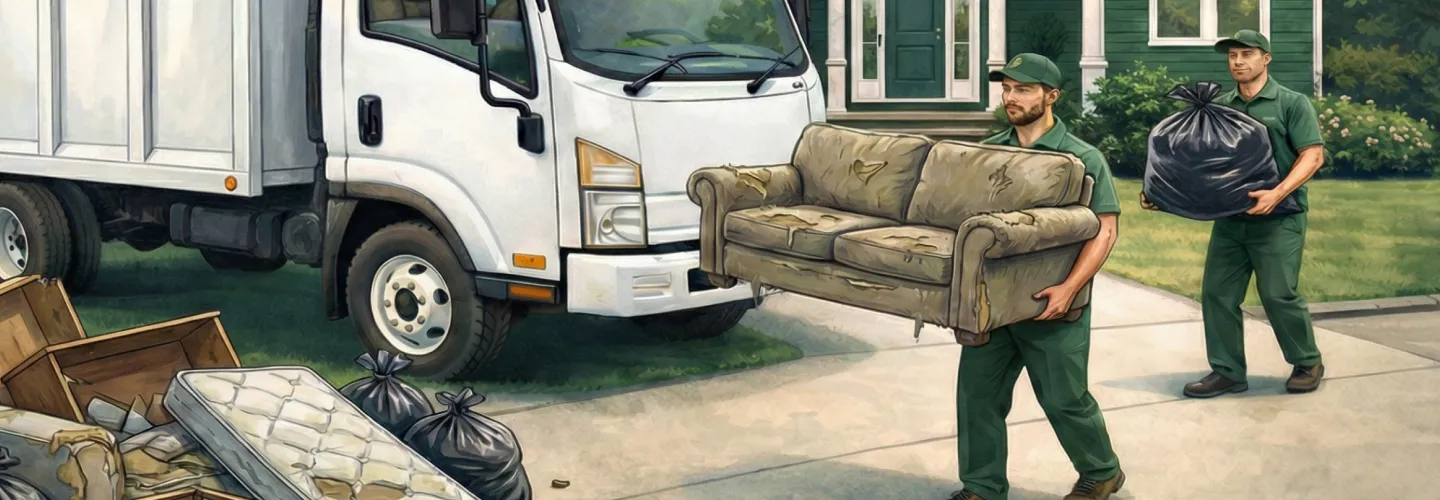
Cumming Shed Removal Services
Choose our shed removal service for reliable, efficient, and eco-friendly solutions—our experienced team handles everything from dismantling to disposal, saving you time and effort while ensuring your property is left clean and clutter-free.
Get a Free QuoteOur Cumming Junk Removal Services
Shed Removal in Cumming, GA – Local Service Guide
Shed removal in Cumming, GA is a common need for homeowners in neighborhoods like Chattahoochee River Club and Windermere, especially during spring cleanouts, property upgrades, or after severe weather. Many residents opt to remove old or damaged sheds when replacing outdoor storage, preparing for landscaping projects, or addressing code compliance. Local disposal options include recycling metal components, donating usable materials, or arranging for municipal debris pickup. Access can be a challenge in backyards with limited entry or during rainy seasons, so planning ahead is crucial. The size and construction of your shed—wood, metal, or composite—will impact removal logistics and costs. For larger structures or those with electrical connections, professional assistance ensures safe dismantling and disposal. Always check local regulations and permit requirements before starting your project. For guidance on permits and zoning, visit the Cumming Planning & Zoning department.
Key Considerations for Shed Removal in Cumming
- Timing: Spring and fall are peak seasons due to weather and yard projects
- Permits: Some removals require city approval, especially for larger sheds
- Disposal Channels: Options include recycling, donation, or municipal pickup
- Access: Tight backyard spaces or sloped lots may need special equipment
- Volume: Larger sheds generate significant debris—plan for hauling
- Coordination: Notify neighbors and utility companies if access or power is affected
Benefits of Shed Removal in Cumming
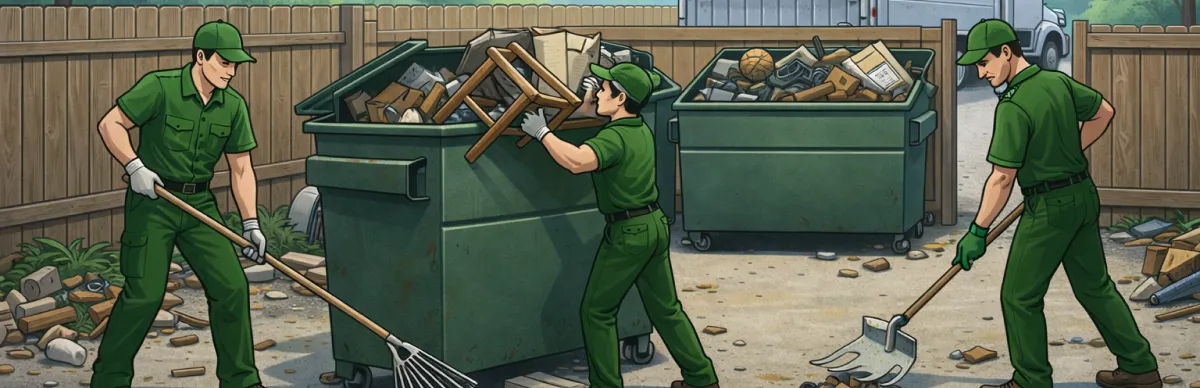
Fast Shed Removal Services
Eco-Friendly Disposal Solutions
Licensed and Insured Team
Transparent Upfront Pricing
Flexible Scheduling Options
Comprehensive Site Cleanup
Coordinating Shed Removal Permits and Demolition Approvals Through Cumming Planning and Zoning
Shed removal in Cumming often requires permits, particularly when the structure is attached to a foundation, connected to utilities, or located within a regulated zoning district. The Cumming Planning & Zoning department oversees demolition permits, code enforcement, and land use compliance for residential and commercial properties. Before initiating any shed teardown, property owners should verify the following requirements:
- Demolition permits may be required for sheds exceeding a certain square footage or those with electrical, plumbing, or gas connections
- Zoning verification ensures the removal does not conflict with accessory structure requirements or setback regulations
- Utility disconnection must be confirmed prior to demolition to prevent damage to gas, water, or electrical lines
- HOA approval may be necessary in subdivisions with architectural review committees governing outbuilding modifications
Failure to obtain proper permits before shed demolition can result in code enforcement violations and fines.
Cumming Planning & Zoning Department
100 Main Street, Cumming, GA 30040
Phone: (770) 781-2020
Official Website: Cumming Planning & Zoning
Sorting and Separating Shed Demolition Materials for Proper Disposal in Cumming
Shed removal generates a variety of debris types that must be sorted and handled according to Georgia solid waste regulations. Common shed materials include treated lumber, metal roofing, vinyl siding, concrete footings, and hardware. The Georgia Environmental Protection Division regulates construction and demolition waste streams, and proper separation supports landfill diversion and recycling compliance. Property owners and contractors should separate materials as follows:
- Treated lumber must be disposed of at permitted construction and demolition landfills; it cannot be burned due to chemical preservatives such as chromated copper arsenate (CCA)
- Scrap metal including roofing panels, hinges, nails, and brackets should be directed to licensed scrap metal recyclers
- Concrete and masonry from foundations or piers may be accepted at inert waste facilities for crushing and reuse
- Asphalt shingles are recyclable at select facilities that process them into road base material
- Vinyl siding and plastic components typically require disposal at lined municipal solid waste landfills
Mixing hazardous materials such as paint cans, pesticide containers, or fuel stored in the shed with demolition debris is prohibited under Georgia solid waste rules.
Hazardous Material Identification and Safe Handling During Cumming Shed Demolitions
Older sheds in Cumming may contain hazardous materials that require special handling before demolition begins. Structures built before 1978 may have lead-based paint on interior or exterior surfaces, and sheds with insulated walls or roofing may contain asbestos-containing materials. The EPA Renovation, Repair, and Painting Rule establishes lead-safe work practices for structures where lead paint is present. Key safety considerations include:
- Lead paint assessment is recommended for any shed built before 1978; certified lead-safe renovators must follow EPA RRP Rule protocols during demolition
- Asbestos surveys should be conducted on sheds with transite siding, pipe insulation, or older roofing materials before any disturbance
- Stored chemicals such as gasoline, herbicides, paint thinners, and motor oil must be removed and disposed of through Forsyth County's household hazardous waste collection programs
- Pest infestations including rodent nests or wasp colonies should be addressed before demolition to protect worker safety
- Personal protective equipment including respirators, gloves, eye protection, and steel-toed boots is essential during shed teardown operations
Forsyth County Environmental Health
545 Dahlonega Street, Cumming, GA 30040
Phone: (770) 781-6932
Official Website: Forsyth County Environmental Health
Cumming's Yard Debris Collection and Shed-Related Landscape Restoration Requirements
Shed removal frequently involves clearing surrounding vegetation, removing overgrown landscaping, and addressing ground disturbance. The Cumming Streets Department provides yard debris collection services that may assist with organic waste generated during shed site preparation and post-removal cleanup. Additionally, the Forsyth County Tree Ordinance may apply if trees must be removed or trimmed to access the shed or facilitate equipment staging. Residents should be aware of the following:
- Yard debris such as branches, shrubs, and brush cleared around the shed site may be eligible for curbside collection through the Cumming Streets Department
- Tree removal near the shed may require a permit under Forsyth County's tree protection regulations, particularly for specimen or heritage trees
- Grading and soil disturbance at the shed site must comply with erosion and sediment control requirements to prevent stormwater runoff
- Site restoration after shed removal should include proper grading, seeding, or sodding to prevent erosion and maintain property drainage patterns
Cumming Streets Department
100 Main Street, Cumming, GA 30040
Phone: (770) 781-2020
Official Website: Cumming Streets Department
Georgia's Solid Waste Management Act and Construction Debris Disposal Standards for Shed Removal
Georgia's Solid Waste Management Act (O.C.G.A. § 12-8-20) establishes the regulatory framework governing construction and demolition debris disposal statewide, directly affecting how shed removal waste must be managed in Cumming. The Act requires that all solid waste, including demolition debris, be transported to permitted disposal facilities by licensed haulers. Key state-level requirements affecting shed removal include:
- Construction and demolition debris must be disposed of at facilities holding a valid solid waste handling permit issued by the Georgia EPD
- Open burning of demolition debris, including treated lumber and painted materials, is prohibited under Georgia air quality regulations
- Illegal dumping of shed materials on vacant lots, roadsides, or waterways carries penalties including fines and potential criminal charges
- Hauler licensing requires that any company transporting demolition debris for hire maintain proper state and local business licenses and insurance
- Manifest documentation may be required for loads containing regulated materials, ensuring traceability from the removal site to the disposal facility
Property owners bear ultimate responsibility for ensuring shed demolition waste reaches a permitted facility, even when hiring a contractor.
Georgia Environmental Protection Division
2 Martin Luther King Jr. Drive SE, Suite 1456, Atlanta, GA 30334
Phone: (404) 656-4713
Official Website: Georgia Environmental Protection Division
What Neighborhoods Do We Serve Throughout Cumming, GA?
- Downtown Cumming: Properties in the historic core often feature older sheds with potential lead paint or deteriorated foundations. Narrow lot lines and proximity to neighboring structures may require careful equipment positioning and debris containment during removal.
- Castleberry Hills / Sharon Estates: Established residential subdivisions with mature landscaping surrounding backyard sheds. Tree canopy clearance and HOA architectural review approval may be required before demolition begins.
- Coal Mountain: Semi-rural properties frequently have larger agricultural-style sheds or outbuildings. Longer driveways and unpaved access roads may require equipment staging considerations and ground protection measures.
- Vickery Village: Planned community with strict HOA covenants governing accessory structures. Written approval from the homeowners association is typically required before shed removal, and debris must be cleared promptly to comply with community standards.
- Pilgrim Mill / Lake Lanier Area: Lakefront and near-lake properties may have sheds subject to additional environmental buffers and stormwater management requirements due to proximity to protected waterways.
- Brookwood / Windermere: Newer subdivisions with standard residential sheds on compact lots. Close property line setbacks require careful demolition techniques to avoid damage to fencing, landscaping, or adjacent structures.